

The Curonian Spit: A coastal route of wildlife and culture
The route is known as the most enjoyable bicycle route in Lithuania for both amateurs and professionals. And no wonder why. Its predominantly flat and recently renovated 52 kilometers take you through all of Neringa’s settlements, stretching from Nida to Smiltynė. This coastal route is part of two overlapping EuroVelo routes: EuroVelo 10 – Baltic Sea Cycle Route and EuroVelo 13 – Iron Curtain Trail, and belongs also to the Lithuanian Seaside Cycle Route.
Most of the route lies in Neringa’s picturesque pine forest, and numerous comfortable stops offer plenty of scenic rest and picnic spaces, making the route ideal for varied ages and abilities. In 2024, the route completed a €22 million renovation, which focused on sustainable and naturally derived materials to support the Curonian Spit’s protected environmental ethos.

The Mayor of Neringa, Darius Jasaitis, said: “Neringa is becoming increasingly popular for high-quality active tourism, therefore the leisure infrastructure is regularly boosted by ongoing investment into modernisation and comfort. One of such notable recent benefits was the renovation of Neringa’s cycling and pedestrian route, which offers a sustainable way to explore one of Europe’s most unique landscapes. The route, which ranks among the highest quality in the Baltic region, enjoys a newly renovated surface. Most of the track is now completely separated from other traffic, which means you can experience a safe, uninterrupted journey through Neringa’s exceptional nature at your own pace, in the most sustainable way.”
The route officially starts in Smiltynė, on the Curonian Spit, which can be reached by ferry from Klaipėda. You can take a ferry either from the Old Ferry Terminal (Danės St. 1, Klaipėda), mainly used by pedestrians and cyclists, or from the New Ferry Terminal (Nemuno St. 8, Klaipėda), used by pedestrians, cyclists and cars. Make sure to check ferry schedules and other relevant information in advance on the website.
Once you disembark the ferry, the first part of the route from Klaipėda to Juodkrantė covers 21 km, mostly along the postcard-worthy Baltic Sea. The stretch from Juodkrantė to Pervalka is 16,5 km and takes you to Nagliai Nature Reserve – an ecosystem of the grey dunes – yet further into the depths of rejuvenating Neringa’s pine forest.

From Pervalka, the route hops to the lagoon side, towards tranquil Preila and finishes in charming Nida, located at the foot of the Parnidis Dune. It boasts a legendary viewpoint with uninterrupted scenery towards the otherworldly landscape of sea and sand. From here, you can also view the historically significant, gruesomely named Death Valley – a dark moment of the land’s wartime struggles. Once back in Neringa’s main settlement, Nida, visit the immersive Mizgiris Amber Museum and the Fisherman’s homestead to learn about the bygone harsh lives of local fishing communities.
With at least 36 natural and cultural sightseeing spots, the Neringa cycling route guides you across a journey through its most important landmarks. Take a moment to enjoy the Hill of Ram, a popular birdwatching spot, catch the boats passing the Dune of Vecekrugas and explore Neringa’s aviation history around the Bulvikis Horn.
The route also visits the Memorial Museum of Nobel Laureate in Literature – Thomas Mann. It is situated in the novelist’s original summer house, restored in the traditional Curonian style. And when near Pervalka, stop by the monument to Liudvikas Rėza. A notable Lithuanian publisher born in the village of Karvaičiai, which was later entirely buried under the travelling dunes.
For the rest, choose one of the viewing points, picnic benches or bird watching towers that can be found between Pervalka and Nida. Better still, enjoy the well-earned afternoon savouring Nida’s Blue Flag beach, backed by preserved, pristine sand dunes, stretching as far as the eye can see.
For a delicious break, plan a trip to one of Nida, Juodkrantė, Preila or Pervalka’s gastronomical hotspots for a satisfying bowl of traditional fish soup, delicious day’s catch, crowd-pleasing al fresco sourdough pizzas, freshly baked desserts, artisan coffee or local speciality drinks.
The Curonian Spit is easily accessible from mainland Lithuania by frequent ferry connections from the bustling Klaipėda port and has plenty of convenient bike rental options in Neringa.
Explore this unspoilt stretch of the EuroVelo network – the Curonian Spit is set to charm your heart and mind. Find out more at www.visitneringa.com. Discover the Lithuanian EuroVelo route at our EuroVelo site.

-
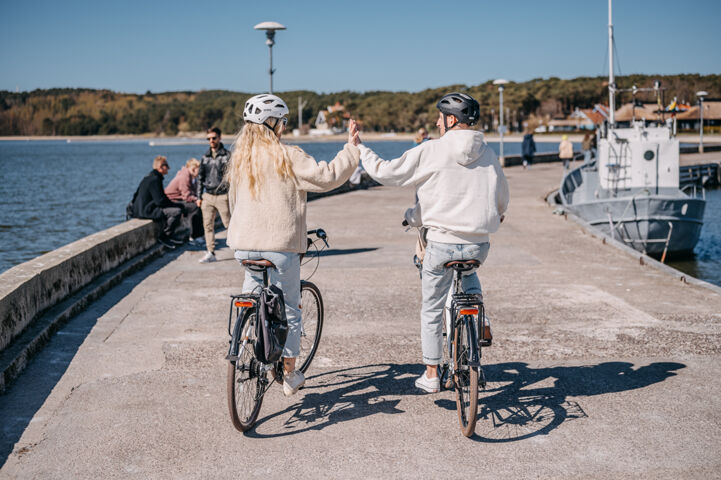
EuroVelo 10 and EuroVelo 13, Lithuania. Andrius Kundrotas, Nida Culture and Tourism information Centre “Agila” -
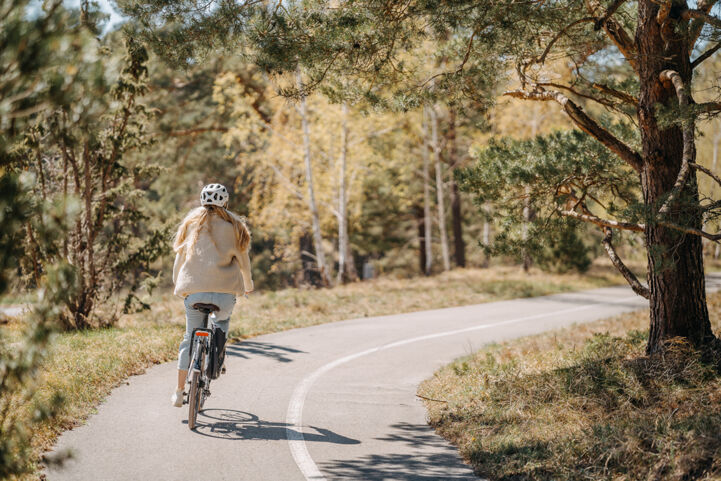
EuroVelo 10 and EuroVelo 13, Lithuania. Andrius Kundrotas, Nida Culture and Tourism information Centre “Agila” -
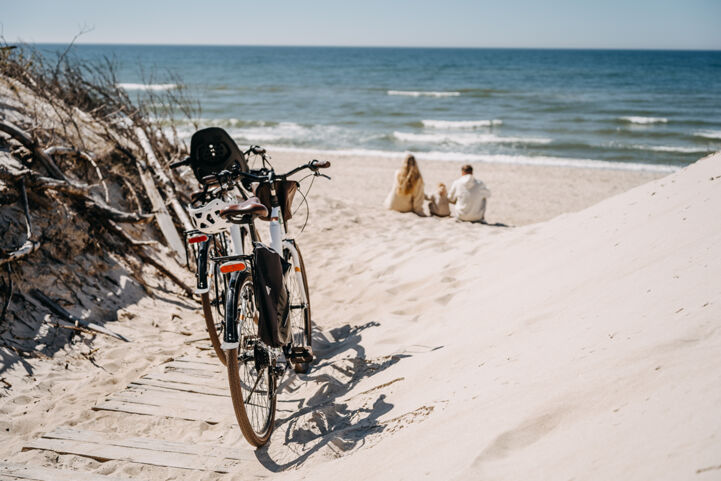
EuroVelo 10 and EuroVelo 13, Lithuania. Andrius Kundrotas, Nida Culture and Tourism information Centre “Agila” -
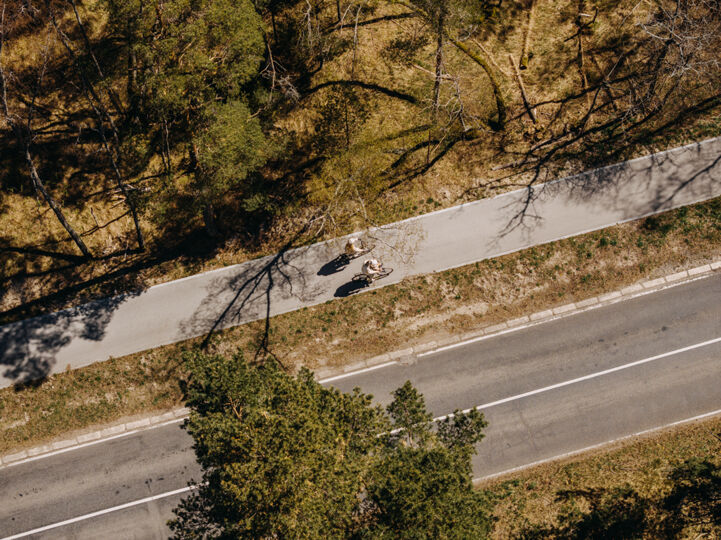
EuroVelo 10 and EuroVelo 13, Lithuania. Andrius Kundrotas, Nida Culture and Tourism information Centre “Agila”


This article was produced in collaboration with ECF and the municipality of Neringa – member of the ECF's Cities & Regions for Cyclists network.
Article by Nida Culture and Tourism Information Centre “Agila”
Cover image: Photo provided by Andrius Kundrotas, Nida Culture and Tourism information Centre “Agila”